Anti-racism is the commitment to fight racism wherever you find it, including in yourself. And that is the only way forward.
Ijeoma Oluo
I’m from a rural area in the northeast of Scotland, and I have spent my career working in conservation, environmental education, and countryside access across the UK, with the occasional diversion into nature tourism and outdoor recreation in the UK and Northern Europe. I write here about my interests in travel, the outdoors, expeditions at sea and on land, and connecting with nature.
I occupy space in this world that is exceedingly white. I do not have to fight for my place in these areas due to the colour of my skin.
While I like to think I am not racist, I’m a beneficiary of the structural racism that winds through our society like bindweed, and that through my silence in not it calling out when I see it, I am complicit. It is vital we, as white people, start to see what has long been evident to Black people, however uncomfortable it may feel in the process; it’s time to grasp the nettle.
To start, we must educate ourselves. By being better informed, we can find a way to see more of the landscape that surrounds us, and be better allies to people of colour. We can start to open outdoor spaces that were once and are still exclusionary, and amplify the voices of those that are underrepresented in our fields.
An old Guardian article which probed the slave-owning history of Britain, and the legacy of fortunes made from the labour of enslaved people and the compensation for their emancipation. It ties into a two-part BBC documentary Britain’s Forgotten Slave Owners, which is still available to view on the iPlayer.
An informative blog post by Eulanda and Omo of Hey, Dip Your Toes In! laying out ways in which we can learn from, support, and advocate for the Black people in our lives, and ensure others aren’t excluded from opportunities arising from our white privilege.
Do the best you can until you know better. Then when you know better, do better.
An action plan for increasing diversity in the US National Parks system, and wider outdoor industry, working through barriers to access and offering potential solutions.
A powerful piece by ornithologist J. Drew Langhan that explores how living in fear as a consequence of race impacts on freedom and the opportunity to pursue the things one loves.
Through the history of Yosemite National Park, Nneka M. Okona tells how Black presence in the outdoors has been attenuated through intergenerational trauma and cultural baggage.
The outdoors is not a space free from politics. Experienced hiker Amiththan Sebarajah writes eloquently on why viewing the outdoors as an escape from confronting reality is a mindset of privilege.
Leah Thomas introduces intersectional environmentalism and sparks a conversation on the need for anti-racism to be a cornerstone of climate and social justice.
This is just a beginning. I understand that it will not be quick or an easy process, and there will be times where I get it wrong, but it’s time to be idle no more. No lives matter until Black lives matter.
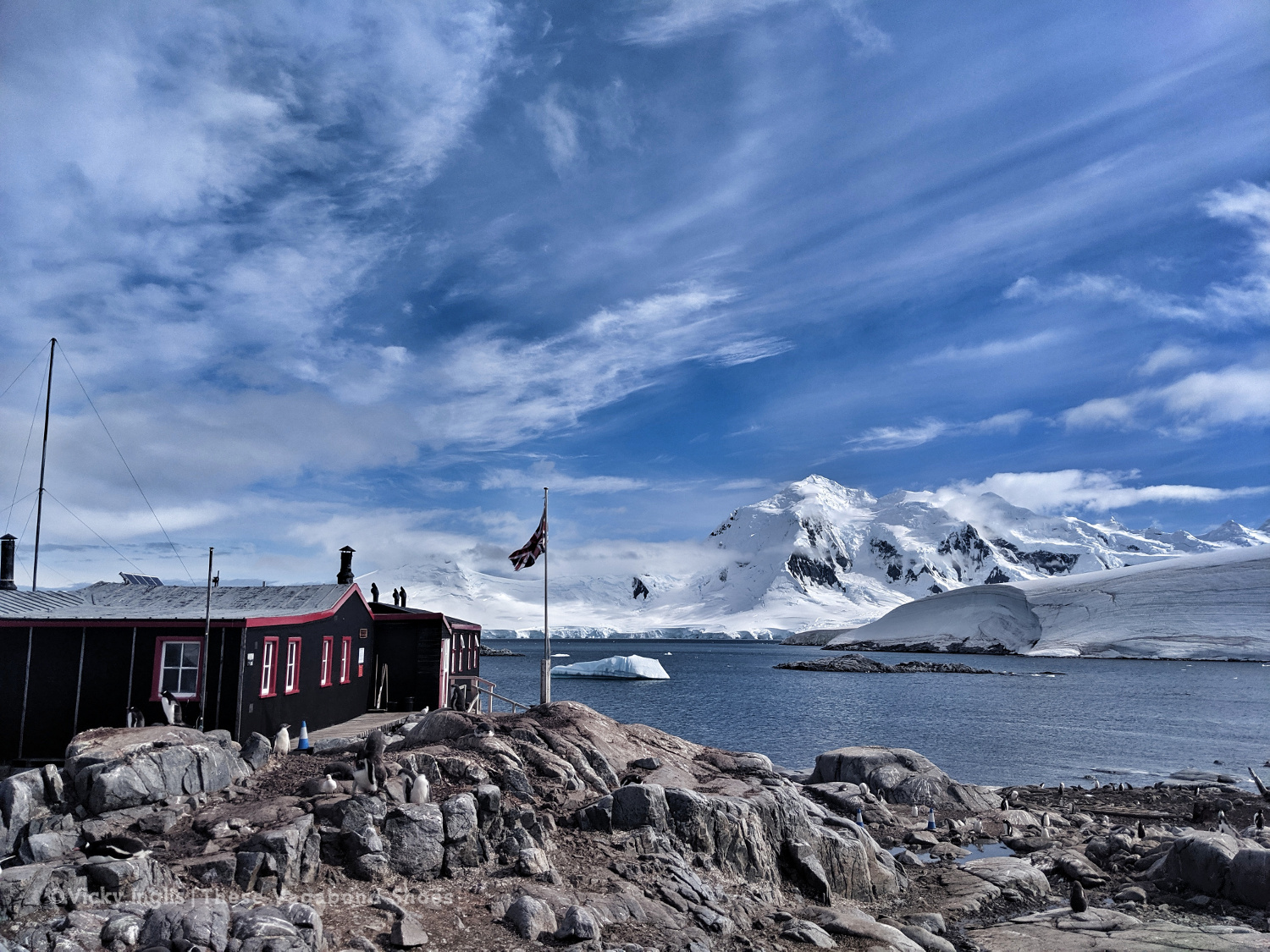
The view from our doorstep. Looking from the accommodation building on Goudier Island to the historic Base A building at Port Lockroy in January 2020.
The last three months have been a strange time for all of us, and certainly not what I’d anticipated for my return from Port Lockroy. Reunions planned with friends and family were tempered by the COVID pandemic response, filtered through window glass and laptop screens, and those “what next” plans I’d made were left on ice. Potential opportunities for future work drifted away over the horizon or sank without trace, and other responsibilities surfaced in their wake.
So despite an abundance of time that was available during the lockdown, it was exceptionally difficult to find myself in the right mental space to reflect on my time living and working in Antarctica at Port Lockroy.
Part of that is the challenge of finding the right language to articulate all the experiences, thoughts, emotions, and ideas I felt in Antarctica, and distil down to something palpable, unmasked by superlatives that a place of such outrageous beauty demands. Over the 110 days of our stay, I took thousands of photographs, made several short films and sound recordings, and filled my journal and sketchbook with observations. But still, it sometimes feels as if the whole thing wasn’t quite real. A dream only half-remembered.
The sailing ship Bark Europa, moored up in the back bay under Jabet Peak, was one of the more unusual vessels visiting Port Lockroy during the season.
It’d taken me a long time to reach Antarctica. I’ve always been drawn to the polar regions, at first through a deep fascination with the strange and unusual wildlife that make their home on (and under) the ice, then being captivated by stories of exploration and adventure. Growing up in northeast Scotland, the polar ship RRS Discovery, in drydock in Dundee, was practically on my doorstep, and the rough country of the nearby Angus Glens and Deeside served as a training ground for some of the first to venture South.
I studied marine biology at university, holding a vague and undefined idea that it had the potential to take me to the Ice as a research scientist or in a support role at a base or on a ship, however, the events of my life conspired to lead me elsewhere. The cost of visiting Antarctica as a tourist was way beyond my reach, so I forgot all about the possibility for a while.
Then, a few years ago, the idea popped up again. My job in environmental education had been made redundant following cutbacks, and after a summer sailing with Draken Harald Hårfagre in Norway, I needed a paying job. I started in the warehouse of a well-known online shopping company*, working 50 hour weeks stocking shelves as they approached their peak-sales period in November. I can honestly say I have never had a less enjoyable job, although my squat and stretch game was on fire.
*That big river in South America. Not the Orinoco.
Driving home one evening, shortly before the anticipated horror of Black Friday/ Cyber Monday shopping, I heard a caller on the radio request a song for the team heading to Antarctica to work in the Penguin Post Office for the season. As soon as I was in the door, I’d searched out the UKAHT website and worked out how to apply for the role. This was going to be my way to go South.
The ice-bound bay filled with brashy floes, making it impossible for zodiacs to land on the island and leaving us isolated for as long as a week.
The goal had crystallised, but it still wasn’t a straightforward route to get there. When applications opened the following February, I submitted from Bermuda, days before setting out on a transatlantic sailing voyage. When we arrived in the UK a month later I didn’t get the news I was hoping for, to be part of the 12 people invited to the final selection process, but had an encouraging note from the Operations Manager to tell me I’d been close (lucky number 13), and to keep applying for the role.
In between other opportunities, following selection on my second time around, I got the call to say I’d been successful. I’d just been ashore to chat about boat moorings in Loch Spelve on the Isle of Mull, for the Irene of Bridgewater, and had hopped into my wee tender, untied and pushed off. My phone rang as I was about to start the outboard, so I let myself drift out into the loch to take the call, hoping I didn’t drift out of mobile reception before I got an official nod.
The modern Nissen hut that provided our home for four months, slowly revealed by thawing snow. On arrival, it was a high as the top of the door frame and we dug our way in.
Collecting bergy ice for a freshwater supply early in the season. Most of our drinking water was provided by visiting ships, but when the ice closed in and ships couldn’t visit, we melted the ice.
The thing about the opportunity that appealed to me most was the prospect of spending an extended period in a location of which most people will only ever get a snapshot glimpse. To be witness to the progression of time, the comings and goings of the wildlife, and the changing of the seasons in the South. To live beyond the limits of where others get to go.
And that was undoubtedly the highlight of my time in Antarctica. Paying heed to small changes in my surroundings: noting levels of snowmelt or the scouring effects of an excoriating wind on the ice; the swirling movement of ice floes riding on the tides; and the endless march of increasing day length, followed by returning night and star-filled skies as we tilted over the equinox. A muffled boom reverberating through the landscape, felt like a pressure wave in my chest as much as it was heard in my ears, as ice calved and crumbled from the glacier. Sculpted chunks of bergy ice which glowed with a blue luminosity, as if lit from within. There was an ethereal quality to the place, as if we’d been stepped aside from the rest of the world.
Then being captivated by the more subtle things: the shape and movement of clouds; scintillating sundogs and solar arcs; the feel of the wind, from a gentle caress to a knife-sharp slash, the ever-changing play of light and shadow over the landscape. Moments that leave one consistently undone by the beauty of it all.
Don’t stand so close to me. A fine example of the projectile defecation of penguins. I believe there are even some papers written on why? and even how far?
The colony surrounding the Stevenson screen at the highest point of the island.
And of course, the wildlife. The ceaseless cacophony of life in the penguin colony. Observing the penguins on the island, getting to know them by their chosen nesting locations, and following the progress of a pair, it was hard not to anthropomorphise or to foist a unilateral emotional bond upon them. Their swaying, tottering gait, stumpy little legs and rounded tummy, and naïve inquisitiveness around us seem to recall human toddlers, making it hard not to reach out and sweep them up in a steadying embrace. It invoked a secret desire in me to name them all.
Even so, living cheek-by-jowl among penguins for any time, happenings in the colony showed us any human connections we supposed to these creatures are tenuous at best. At first glance it appears they’re putting on a chaotic avian slapstick soap opera: squabbling between nesting neighbours; curious chicks playing with our buckets and brooms, splashing in the boot wash by the museum door; throwing back their wings and chasing adults for food, always demanding more. Taking to the water for the first time, with none of the natural grace one would expect of a sleek sea creature.
The blatant thievery and cheating in the colony contribute to soap opera levels of drama.
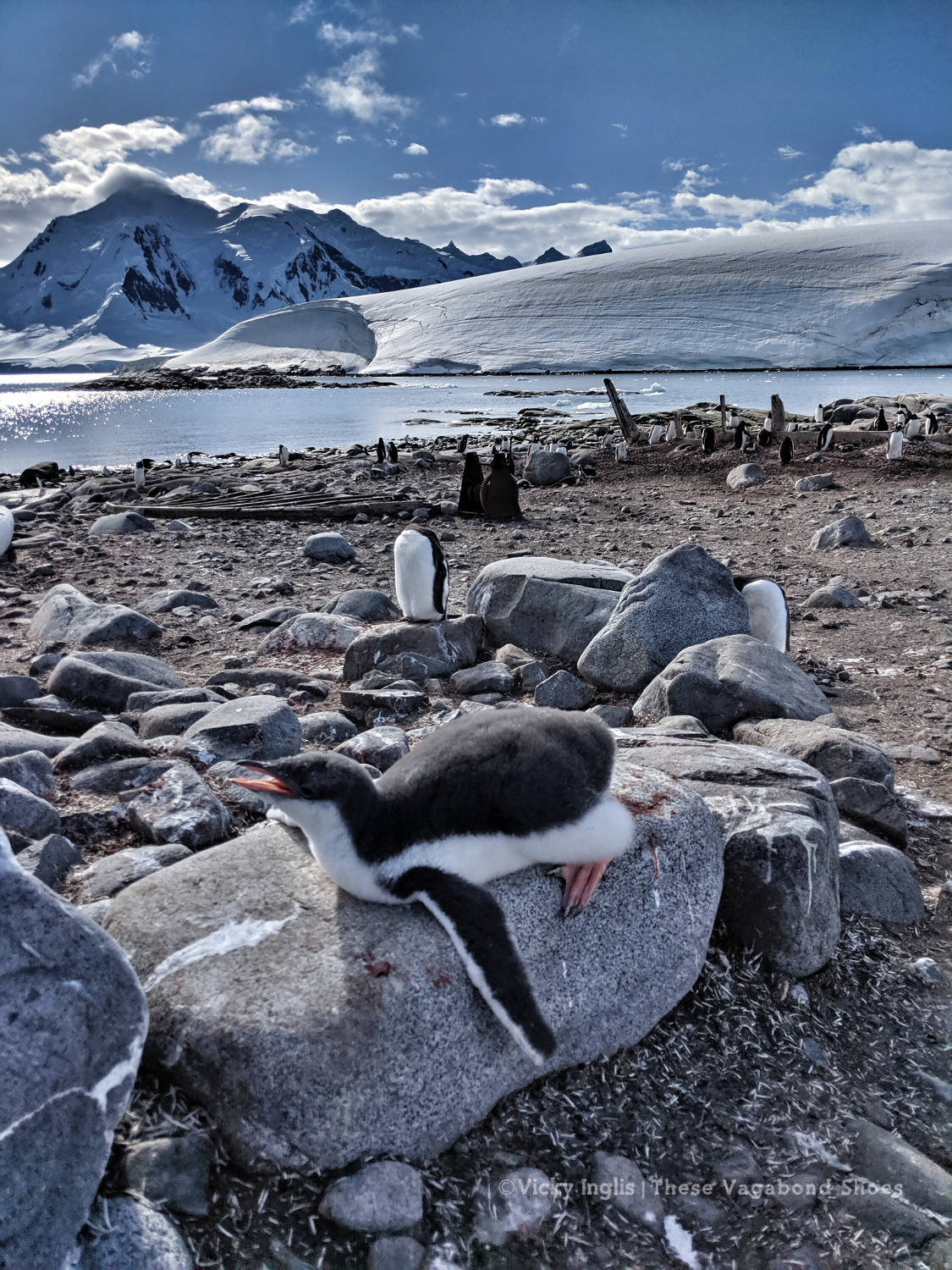
The chicks are in equal measures adorable and infuriating, especially if you’re trying to transport a 20kg cylinder of propane from one side of the island to the other, and the priority is to create minimal disturbance to their activity (which is mainly napping).
In reality, we watched a wholly unsentimental and more elemental existence: newly hatched chicks huddle in nests constructed with bones of their ill-fated siblings of previous years; adults voiding excrement on each other, from nests highest on the rock to those below; snowy sheathbills pairing up in a tag team to snatch an unguarded egg or runty chick from under an adult; the lurking ever-present threat of predators that come both from the skies and the depths. Witnessing the awesome and grotesque cycle of life and death on a daily basis, alternately heartwarming then heartbreaking, always fascinating, is part of the unique Antarctic experience.
At the creching stage, the chicks become bolder and venture away from nests to form small gangs and await a parent to arrive with a regurgitated krill meal.
Though they demand the most attention, penguins are not the only creatures that leave an indelible mark on the memory of the Antarctic visitor. Other birds, sleek Antarctic terns, the colour of low cloud on a soft day, and piratical skuas, ever-observant to opportunities to pillage the penguin colonies. Snowy sheathbills, our curious companions with their only-a-mother-could-love appearance, tapping away at the buckles of my discarded snowshoes as I make notes on my clipboard. Monstrous giant petrels, with bloodstained plumage and ice blue eyes, ruthless killers that rule the skies here.
The uncanny song of Weddell seals hanging in the air, as they lie dreaming on an ice floe lodged fast in the back bay. The lurking menace of leopard seals, conducting secret surveillance of the shallows, waiting to surge ashore and snatch the unwary. A rounded brown boulder in the shallows, almost the size of a small island, which yawned deeply, transforming itself into a bull elephant seal.
On still days, when fog lay like a felt blanket over the natural harbour obscuring views of peaks and pinnacles of Wiencke Island, immediate sounds were dampened, amplifying the roaring silence that lay behind. The raucous colonies of penguins and blue-eyed shags muffled long enough to pick out the saltwater signals of whales taking their breaths in the silky, quicksilver water of the bay; two, no three humpbacks scouting the deep water channel on the inside of Lecuyer Point, or a lone minke making its way between the improbably named islands of Boogie and Woogie.
Graffiti on the rocks of Goudier Island, left by the sailors and whalers of the Solstrief in 1912, one of the largest factory whaling ships to ever work Antarctic waters.
Port Lockroy is a rare place in Antarctica, a tiny island where the human story of the continent is writ large. Around us was the evidence of the whalers that followed the ships of the Heroic Age of Exploration South, through to Operation Tabarin and the construction of Bransfield House/Base A, at the time when international relations on the ice were strained, and politics pushed to the fore. Then the era of science, where the continent was transformed into a vast laboratory of measuring and monitoring, revealed by the artefacts and oral histories of the museum, to our current-day experiences of expedition tourism and bucket-list travel.
Base A, the first permanent British base established on the Antarctic Peninsula, and now home to the Penguin Post Office and museum.
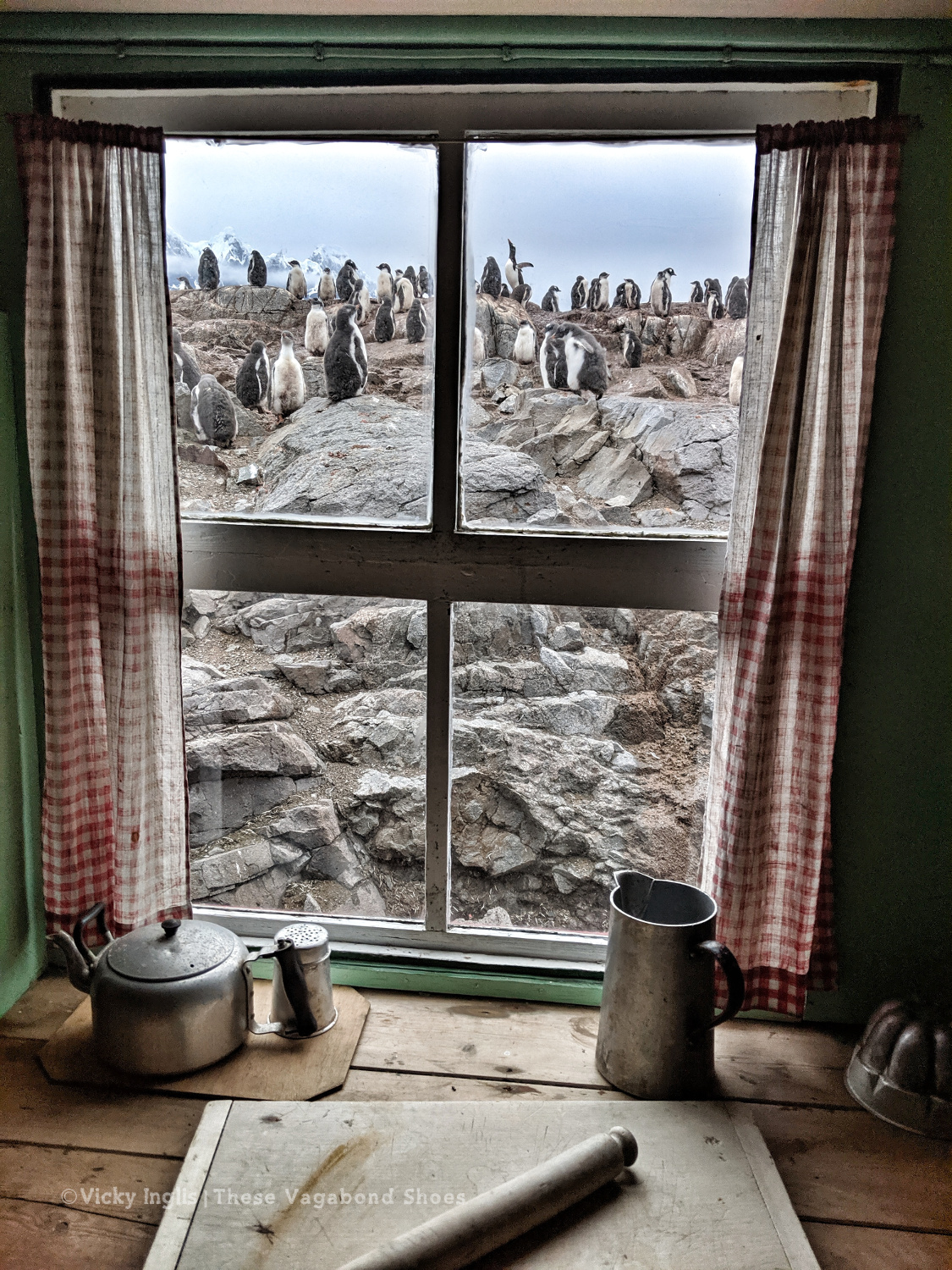
The incongruity of the galley view in Bransfield House.
The wealth of stories continued with the people we met throughout the season, both face-to-face and through correspondence delivered to the Post Office. Previous Lockroy team members, experienced field guides and expedition leaders, research scientists, and former and current staff of both the UK Antarctic Heritage Trust and British Antarctic Survey passed through Goudier Island during the season, enriching our understanding of the place and welcoming us to the Antarctic family like we already belonged, allowing us to become part of the ongoing history of the place.
Port Lockroy is reported to be one of the most visited sites in Antarctica, and while the 2019/20 season proved to be far from usual, we still welcomed thousands of people into our small world for a while, and helped them pass on their share of wonder and awe written on the back of a postcard.
Postcards cancelled and packaged for the mail, ready to start their journeys around the world.
Finally, all that remains is to say what a privilege it was to share such a profound experience with an incredible team of people, who started the season as my work colleagues and after four months of living in each other’s pockets, are firmly life-long friends. Sitting together on a golden afternoon by the landing site, once the day’s guests had gone, watching for the blown spray and flashes of tail flukes across the Neumayer Channel, listening to the snapcracklepop of melting icebergs, and toasting our luck with gin gifted by the crew of a superyacht and tonic scrounged from our favourite hospitality manager. Or huddled together in a cuddlepuddle under blankets and duvets to watch a film as sleety rain-lashed windows and storm-force winds shook the very building around us. These are the moments I’ll cherish most.
The awesome 19/20 season Port Lockroy team. Photo Credit: UKAHT
An icy evening spotting arcs and sun pillars in nacreous skies and shimmering reflections by the landing site.
Standing on the aft deck of the ship that would take us back to Ushuaia I could feel the undeniable magnetic pull from our island, tucked under the sheer rock and ice of Mount Luigi and the Seven Sisters, then a sudden snap as we rounded the headland and Port Lockroy was lost behind the rise of Doumer Island. I think a little piece of my heart was left behind.
By endurance we sauna.
It was far too warm to justify wearing all those layers of clothes on that day. Taken as part of a photoshoot wearing our branded gear and items for sale in the shop.
Extracts from this piece were first published as posts on the UKAHTPort Lockroy blog.
Inspired by what you’ve read? Why not pin this post to your bucket list travel board?
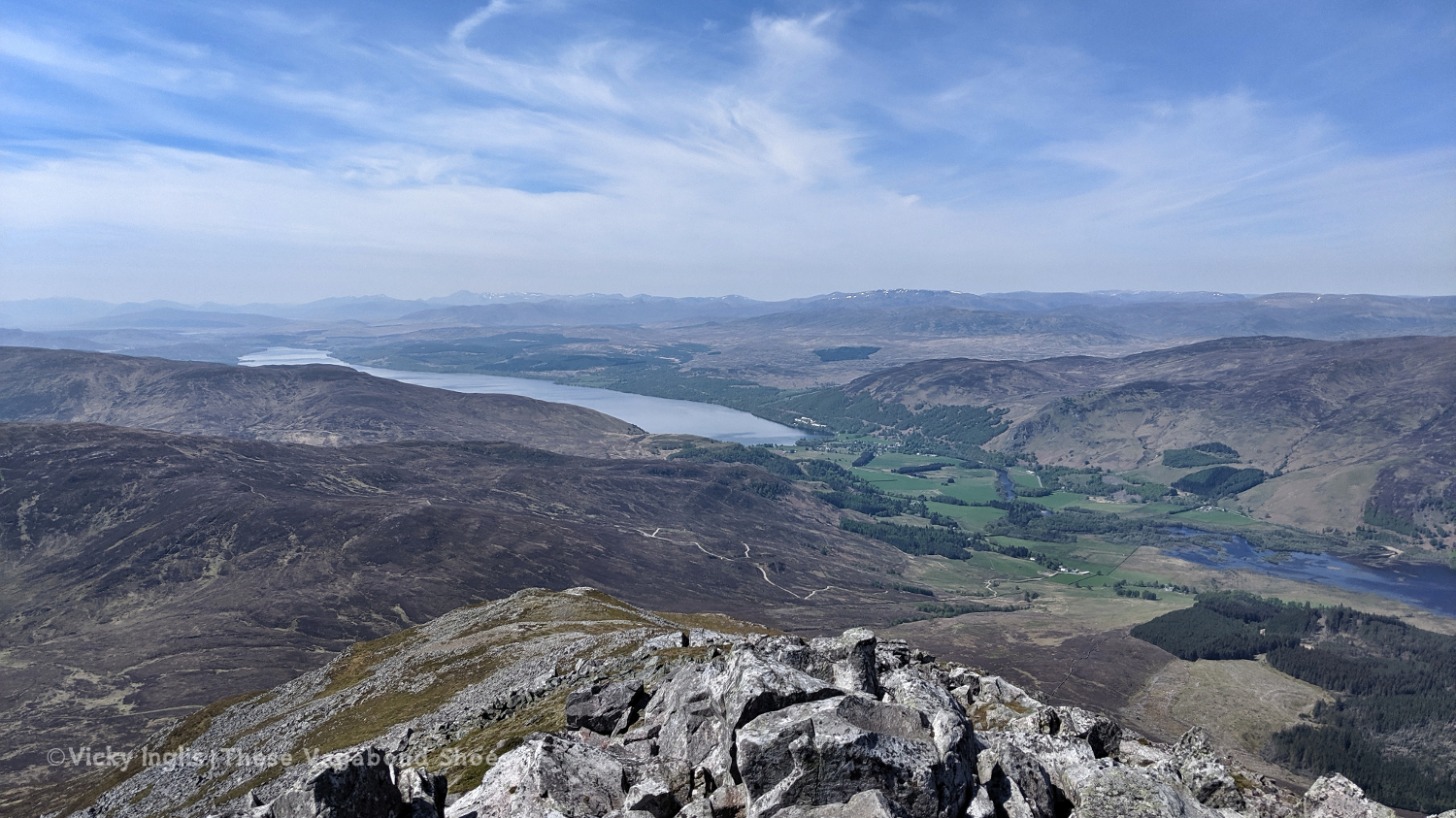
At 1,038 metres (3,547′) Schiehallion isn’t especially close to Ben Nevis in height, but it is certainly one of the most iconic Munros. The distinctive, near-symmetrical profile of the mountain attracts hikers from both home and away looking to experience the great outdoors, and it’s a great choice for first time Munro baggers.
The view from the western end of Schiehallion, looking along Loch Rannoch to Rannoch Moor and Glencoe. In clear conditions, it’s possible to pick out Ben Nevis.
Schiehallion
In the heart of Highland Perthshire, close to the very centre of Scotland, Schiehallion has the reputation of being both one of the most mysterious of Scotland’s mountains, and the most measured. The name Sidh Chailleann translates from Scots Gaelic as “the fairy hill of the Caledonians”, and it’s not difficult to find traces of folklore and superstition on the slopes of Shiehallion.
My favourite travel memories from A to Z shared with the #AlphabetAdventure hashtag on social media.
This year, travel has been on the backburner in a big way, with international flights shut down, and many countries, including my home in the UK, imposing a domestic lockdown to prevent the spread of the COVID-19 and ease pressure on health services over the peak of the pandemic.
Throughout April and early May many travel bloggers shared pictures of their travels on social media with the hashtag #AlphabetAdventures. It was a chance to remind ourselves of the wide, wild world out there, waiting for us to explore once the coronavirus pandemic passes, and relive some memories from our travels. It also gave us the chance to travel vicariously to new destinations while we stay safe at home under lockdown.
Five fun microadventures you can make from your own home, suitable for all ages.
Are you familiar with the idea of microadventures? Adventure isn’t all about faraway locations and uncharted territories. Or about being the highest, furthest, fastest at anything.
It’s about the spirit in which you undertake something. It’s being open to new experiences, approaching things with a curious and inquiring mind, and making your own fun and rewarding challenge. And a microadventure is just that, on a simple, local scale.
And while we’re restricted in the things we can do right now, a new activity in a familiar place can be exactly what you need to feel refreshed and excited, and keep your fire for the great outdoors well stoked.
The simplicity of these ideas also make them an ideal way to introduce adventures to your family, even with very young children, and nurture an appreciation for nature and the outdoors to last them a lifetime. And by keeping them close to home, there’s plenty of opportunities to bail out if things don’t go to plan, or to make a spontaneous change to an everyday routine.
A list of indoor activities and things to do around the home for outdoor and adventure lovers.
Though we’re encouraged to think of our current situation with the coronavirus lockdown as being safe while we’re at home, there’s no denying if you’re an outdoor type, you’ll inevitably find yourself feeling stuck at home. Denied that usual dose of adventure, there’s a serious risk of an outbreak of cabin fever.
So, given that there’s unlikely to be an immediate cure to our condition, I’ve compiled a list of activities that can bring the outdoors indoors, and help stave off longing aches for the hills, rivers, forests, and beaches for a while longer. They’ll help you stay mentally resilient, and get you prepared to get back out there when the time comes. They’re fun, and virtually all free, or at least affordable, so give them a go!
If you’ve got any of your own tips to share, let me know in the comments below!
Like many of you, the COVID-19 lockdown turned my life upside down. Plans I’d made as I prepared to leave Antarctica have been completely shelved, any potential opportunities remain just that. Both the travel and the outdoor industries where I’ve usually found work have had to shut up shop and furlough staff. I’ve signed up as a volunteer, but it has taken time for organisations to process the volume of applications they’ve received.
So, I’ve encountered an abundance of idle time in the last week or so. It’s been an unexpected chance to indulge in the things that are usually side-lined for more pressing tasks. For me, it’s reading for pleasure. In the last week, I’ve been able to immerse myself in a few good books to help fend off the cabin fever.
While lockdown has clipped my wings, and travel is an impossibility right now, a book can take the mind flying anywhere beyond the immediate four walls. Here’s what I’ve read, and my to-do list for the coming weeks.
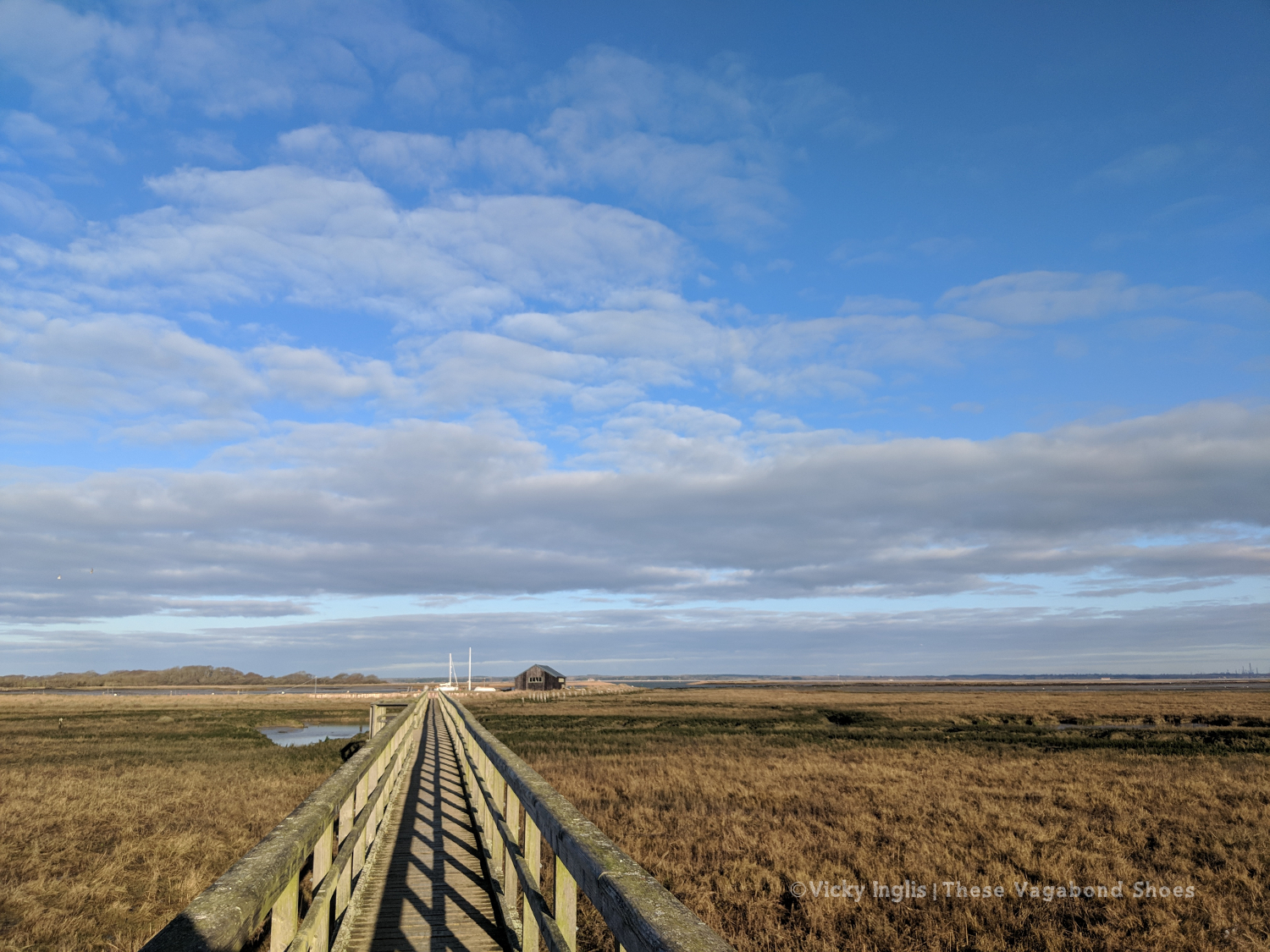
I’ve been fortunate to spend a few years living and working on the Isle of Wight, and covering some of the most beautiful stretches of coastline in the south of England as a Wildlife Ranger. As days grow shorter and temperatures grow colder, the island’s beaches, creeks, and estuaries seem to look even more beautiful, whatever the weather, and become havens for thousands of overwintering birds. Without the numbers of tourists that visit in summer, exploring the Isle of Wight in winter often means have beautiful coastal walks all to yourself.
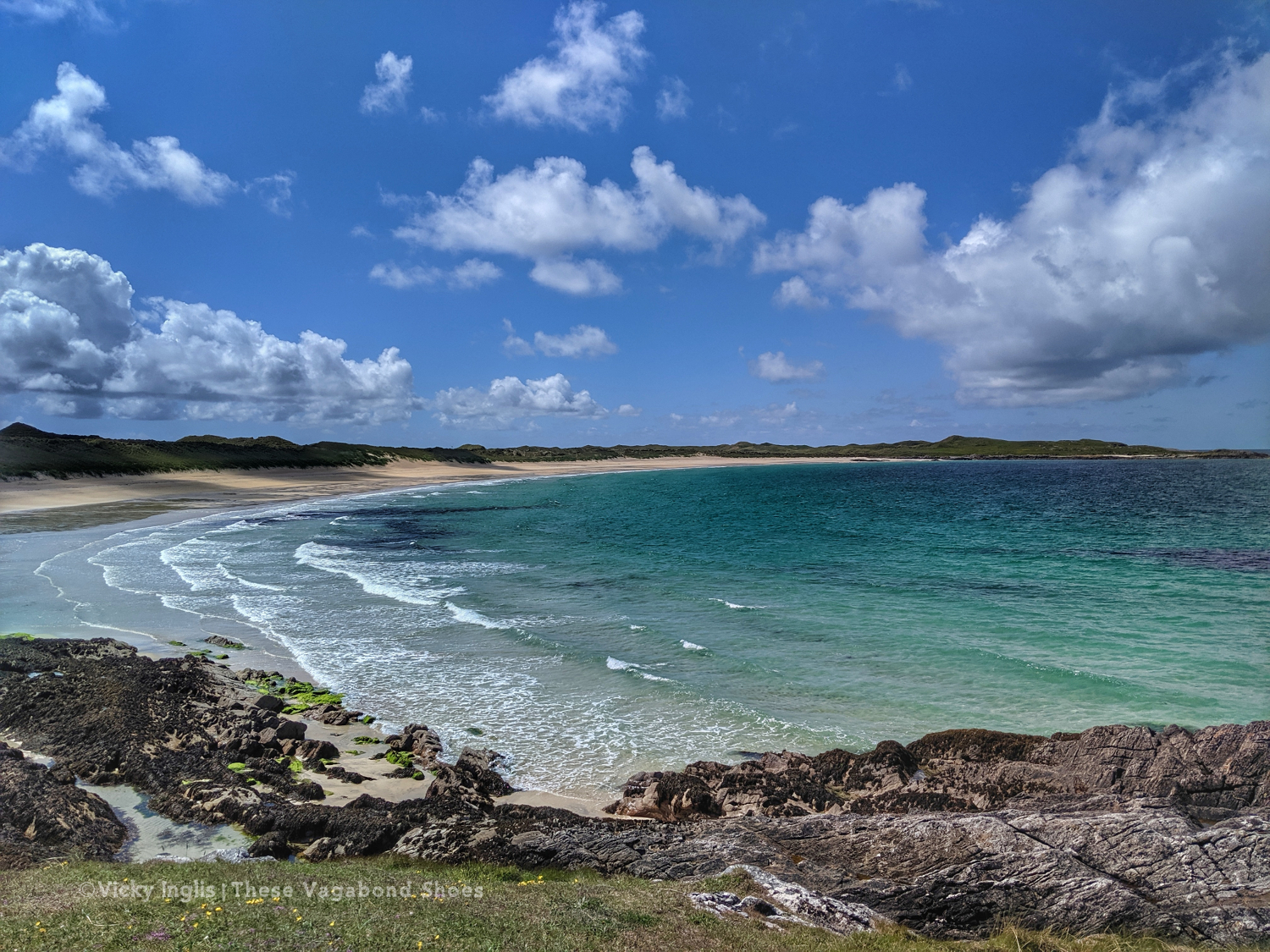
The island of Coll is breathtakingly beautiful. The sort of place where you leave a little piece of your heart behind when you finally bring yourself to leave.
The sweeping arc of Feall Bay, on the southwestern coast of Coll
The beaches of Feall and Crossapol are separated by a fixed dune system rising over 50 metres in places, including a large swathe of flower-rich machair
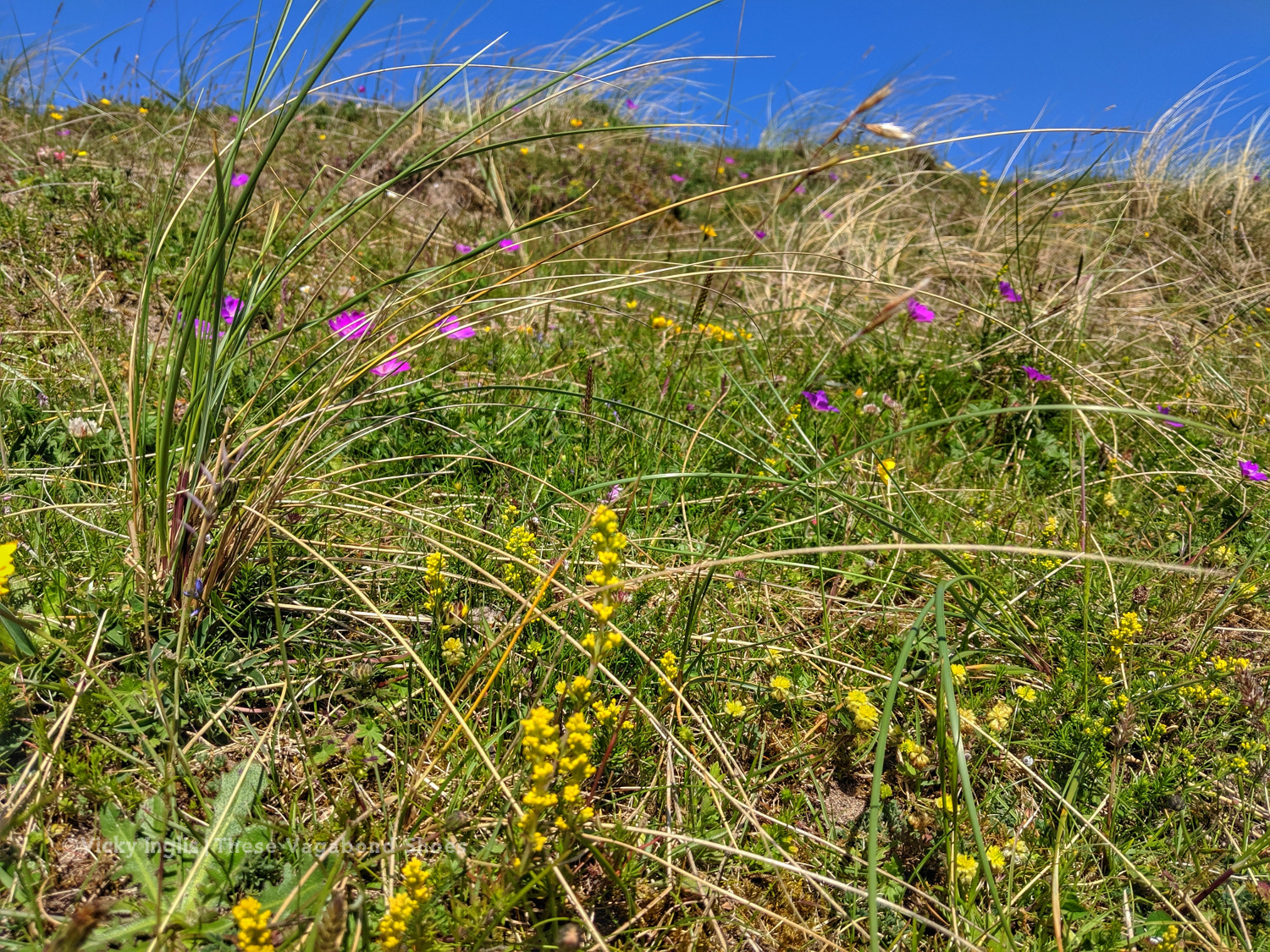
The turquoise waters of the Sea of the Hebrides wash up on sweeping silver-white beaches backed by lofty, marram-clad dunes, reaching over 50 metres high behind the strand at Feall. Between the coastal bents and the bogs and bare rock inland, is a rare place; machair, a habitat unique to the Hebrides, the fringes of northwestern Scotland, and western coast of Ireland.
Plastic. It seems that’s all we’re talking about right now, thanks to eye-opening documentaries like A Plastic Ocean and Blue Planet II. Specifically plastic pollution in the world’s oceans. Single-use plastics. Things that become waste products within minutes, sometimes even seconds after we lay our hands on them.
Plastic isn’t inherently bad. It’s cheap, lightweight, hygienic, versatile, and virtually indestructible. But as a society we’ve become overly dependent on it, manufacturing more than 300 million tonnes a year, and generating far more waste than the planet can handle. Not enough is recycled, landfill is filling up, and invariably some plastic waste ends up in rivers and seas. And it’s virtually indestructible.
We have become addicted to plastic. We have transformed the nature of the ocean. Without the ocean, life on Earth could not exist – including us.
Dr. Sylvia Earle
According to recent research, there is now no corner of the earth which is completely free from plastic contamination, from the polar seas to the deep ocean. And the problem is multi-stranded: large, free-floating items pose a risk of entanglement or choking; medium to small items are ingested, filling stomachs without providing nutrition; and tiny fragments of degraded plastic floating in surface water accumulate toxins, poisoning through the food chain. Marine ecosystems face catastrophic damage.
Whilst various governments, NGOs and businesses have recognised the scale of the problem and made commitments to future change, how long til the effects percolate down into our everyday life? I think it falls to us to take our own steps, and force change from bottom up.
Surely we have a responsibility to care for our blue planet. The future of humanity – and indeed all life on Earth – now depends on us.
Sir David Attenborough
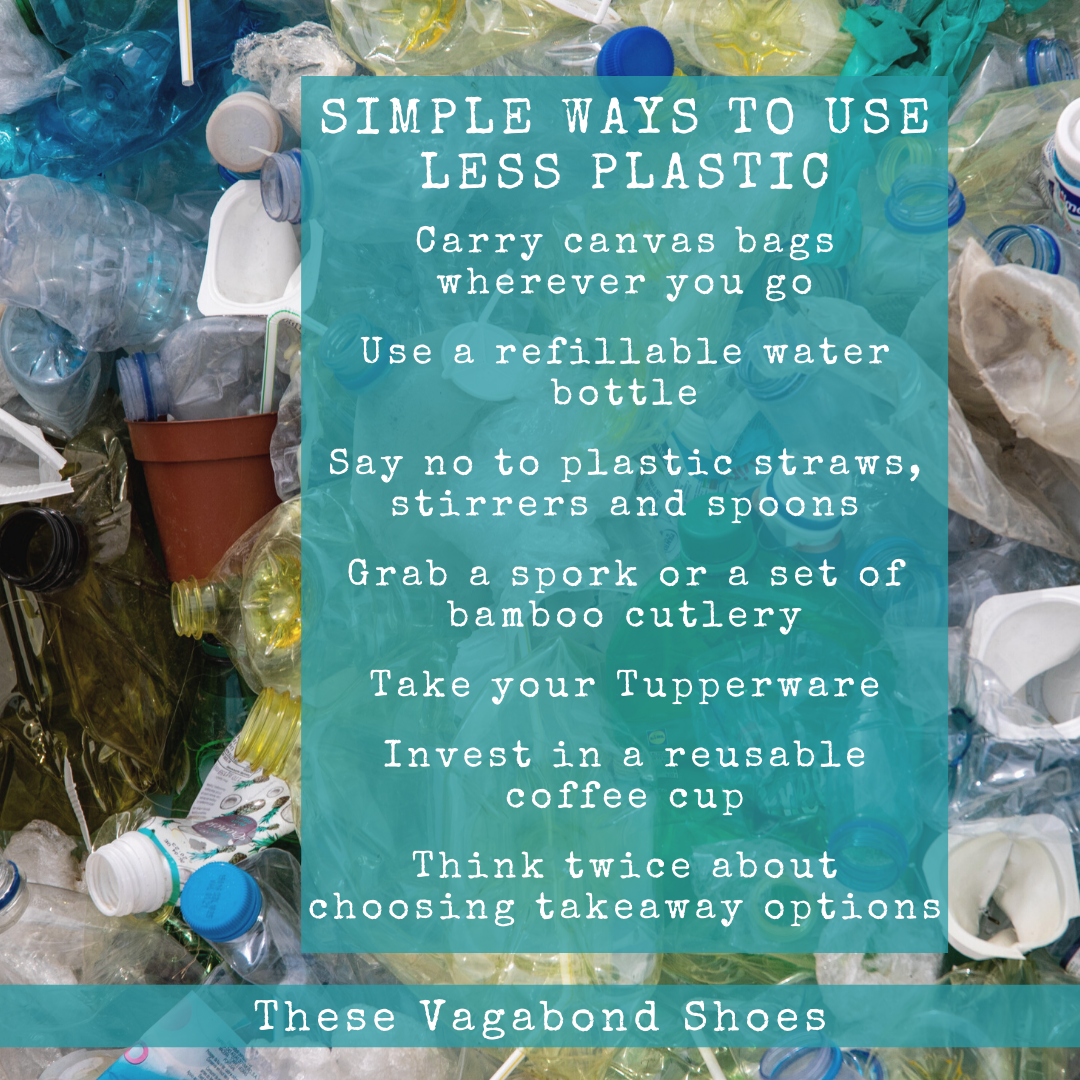
There are several ways we can reduce our reliance on plastics, especially single-use items, take responsibility for what we consume, and use plastics only when there’s no better alternative. And the good news is that many of these measures are simple and can be incorporated into our everyday lives, at home and on the road.
These are just a few of the tips I’ve picked up from my work in conservation and on my travels, and some of the bits and pieces I’ve invested in to help make it easier to avoid unnecessary single-use plastics. I hope it gives a few practical and affordable solutions you can use on your travels, and at home too.
Carry Canvas Bags
The nations of the UK, along with many other countries in Europe, introduced small levy charges on single-use plastic carrier bags as a prompt to encourage people to think about their reliance on them. A success, the amount of bags distributed has been cut by up to 90% in some countries, and the proportion of plastic waste made up from bags found in marine surveys has dropped significantly.
Other countries, particularly across Africa and South Asia, have gone further and outlawed the use of plastic bags completely. I always have a canvas bag or two in my handbag or daypack while I’m on the move, and I store others in my car and office desk drawer so I always have one handy for shopping. You can pick up canvas bags almost everywhere, and sometimes promotional bags are available for free.
Bring your own bottle
I always carry a refillable water bottle with me, a habit from many years of working outdoors and in remote areas. Using a refillable bottle also has the added benefit of saving you money in the long term. Bottled water is an unnecessary expense in most locations, and more and more places are now providing water fountains or free refills to help tackle plastic use. Just be sure to empty your bottle before going through airport security.
Until recently most of us rarely gave straws a second thought. Then we all saw thatfootage of the turtle, and realised these small, single-use items sum-up our throw-away relationship with plastic. Cheap and convenient, but rarely essential, most of us can easily do without them.
However straws help some drink independently, make it easy for small children to avoid spills, and make cocktails feel, well, fancy. So if you can’t do without, pick up a pack of paper straws instead, or invest in a reusable bamboo or metal alternative (which usually come with their own cleaning kit), and channel that old fella drinking maté you saw in Buenos Aires.
Take a reusable cup to the coffee shop
Takeaway drink cups are usually lined with polyethylene to stop leaks, and in the UK alone more than 7 million of these “disposable” cups are given out every day. This adds up to an astonishing 2.5 billion a year, and due to the mixed materials in their composition only around 1% are ever recycled. The remainder will end up as litter or in landfill.
Many cafés and coffeehouses, both chains and independent stores, offer a discount for customers bringing their own cups. I keep my reusable cup, by ecoffee, in my car for an occasional takeaway drink, others are available including collapsible cups to pack for travelling.
Takeaway coffee is not that common in many countries. In the Scandinavian countries, the world’s largest coffee consumers, most people will sit down in a café, with or without friends, and savour their brew in a glass or ceramic cup. Even Italians stop for espresso in a dainty demitasse at the bar rather than grab something to go.
So next time you fancy a coffee, think about taking the time to sit in and savour your drink. It’s one of the nicest and most affordable experiences when you travel, and cuts the need for single-use drinks cups at the source whether you’re home or away.
Take your own eating tools
A spork is a simple, small thing that you can stick in a daypack or handbag to cut out the need for single-use plastic cutlery with your takeaway lunch, street food snack, or budget hotel breakfast. It’s an essential for hiking and camping trips too.
If I’m travelling anywhere for more than a few days, I might also stick a lunchbox, a clip-top tupperware tub, into my bags. It lets me prepare my own lunches, and save leftovers, and cuts down on the amount of waste I create from buying pre-packaged salads, sandwiches, and pasta. To minimise the space it takes up in my bag, I stuff my toiletries inside, reducing the likelihood of liquids leaking into my clothes too.
In winter, I have a food flask I use to take hot meals or soup with me while I’m off exploring the outdoors.
I realise there’s likely to be times where I don’t always follow my own advice, but I hope that I’ve made you question your reliance on plastics, and given you some suggestions that can be easily incorporated into your routine. They’re just small steps, but if more of us make them, and keep raising awareness of the issue, we become part of the solution rather than contributing to the problem.
How do you cut out single-use plastics on your travels? Share your tips in the comments below.
Inspired by what you’ve read? Why not pin this post?
This post contains affiliate links. If you purchase through my link, I will make a small commission* at no additional cost to you. These help me to continue to run this site, providing tips and advice, and sharing stories from my adventures. Thank you for supporting me.
*Maybe enough for a coffee. Not enough for a yacht.







 These Vagabond Shoes.