December 11th is International Mountains Day (IMD); a day established by the Food and Agriculture Organisation of the United Nations in 2003 and celebrated annually since.
Mountains loom large in some of the world’s most breathtaking landscapes. But it’s not just about sharing gorgeous, inspirational mountain images on my social media (though I’m sure that won’t hurt). It’s about raising awareness of the importance of mountains, inspiring understanding and respect, and encouraging responsible access in mountain environments.
Heading for the unmistakeable outline of Buachaille Etive Mòr from Glencoe, Scotland.
Five Facts for International Mountain Day
So, what do you know about the mountains?
Around 27% of the land surface of the earth is covered in mountains (that’s approximately 39 million km²).
Mountains are home to 15% of the global population (around 1.1 billion people), but it’s estimated billions more benefit indirectly from ecosystem services and mountain agriculture.
Of the 34 documented terrestrial biodiversity hotspots, 25 are in mountain areas (half of the world’s total), and they support around 25% of terrestrial biological diversity.
Over half of the world’s population rely on mountains as a source of freshwater, which provides drinking water, water for irrigation, water for sanitation, and is used in energy production.
Mountain settings support between 15 to 20% of the global tourism industry, from providing spectacular views, cultural tourism, and soft adventure trips right through to serious expedition travel.
Mountains have long held a kind of magic over many of us, both enthralled and appalled by their wild irregularity and the glimpse of danger deep in their embrace. Many peaks have great significance to different faiths and cultures, a rich folklore to explain their origin, or are places of pilgrimage for locals and visitors alike.
You are not in the mountains. The mountains are in you.
John Muir
The most spectacular mountains in the world have captivated the imagination of those that have laid eyes on them. The endless play of light and weather creates views that melt and shift in moments. Dynamic landscapes that are at once intimate and vastly unknowable. Peaks that rake the sky and alter the perspective of those that attain the lofty heights. There is no getting accustomed to them.
To aim for the highest point is not the only way to climb a mountain.
Nan Shepherd, The Living Mountain
Whether you’re a seasoned mountaineer, passionate orographer or geologist, a photographer, or merely an inquiring traveller, there’s going to be a mountain on this list that will leave you spellbound.
Another small collection of interesting, thought-provoking, and beautiful essays, articles and blog posts from around the internet I’ve found over the past few months that I want to share with you. This season, they’ve mainly been inspired by thoughts of Antarctica, the Arctic, and the coming winter.
A masterful travel piece about the Falkland Islands by Larissa MacFarquhar, diving deeply into changes that have occurred over the past 30 years or so. One of the best destination profiles I’ve ever read.
A Condé NastTraveler article from early in the summer looking at the prosepect of a 2020/21 Antarctic tourist season in the ongoing Coronavirus pandemic, and the knock-on impacts of cancelling a 2020 summer season in the Arctic.
The uncertainty of a 2020/21 Antarctic tourist season in the face of the Covid-19 pandemic may be the necessary pause to spark conversations about the future of the industry. This piece by Bella Lack asks questions about other potential consequences of this season.
In the two centuries since its discovery, Antarctica has seen a range of commercial, scientific, and diplomatic activity. This blog post from The Conversation journal looks at the ways natural resources have been exploited over time, and the impact of changes.
In positive news, a whale survey expedition recorded 58 sightings of Blue Whales, and numerous accoustic detections, around South Georgia in 2020, where the marine mammals were all but wiped out by the whaling industry.
An account of the expedition to hunt for the wreck of a Dundee whaling ship lost in the Canadian High Arctic by Matthew Ayre, sparked by a simple note in a historic ship’s logbook.
A longread essay by Andrea Pitzer detailing a research trip in the wake of 16th century polar explorer Willem Barents, and the unexpected wild pleasure of a voyage completely under sail.
A beautifully atmospheric piece by Bathsheba Demuth detailing the collision of Soviet ideology with the nomadic lives of Chukchi reindeer herders, tuned to the natural cycles of the tundra.
A captivating National Geographic photoessay by Jennifer Kingsley and Eric Guth that travels across the Arctic, meeting people living and working in the far north, and reframing the perception of the Arctic as a remote, isolated and uninhabited region.
An examination of the mindset that helps residents in areas experiencing the polar night get through the darkness of winter by cultivating resilience and inner strength.
Who am I kidding? I’m going to be in Scotland this winter, and while there’s a chance of crisp, bright snow days, more than likely it’s going to be driech. So here’s a few beautiful paragraphs from great authors and poets to help me learn to appreciate the rain.
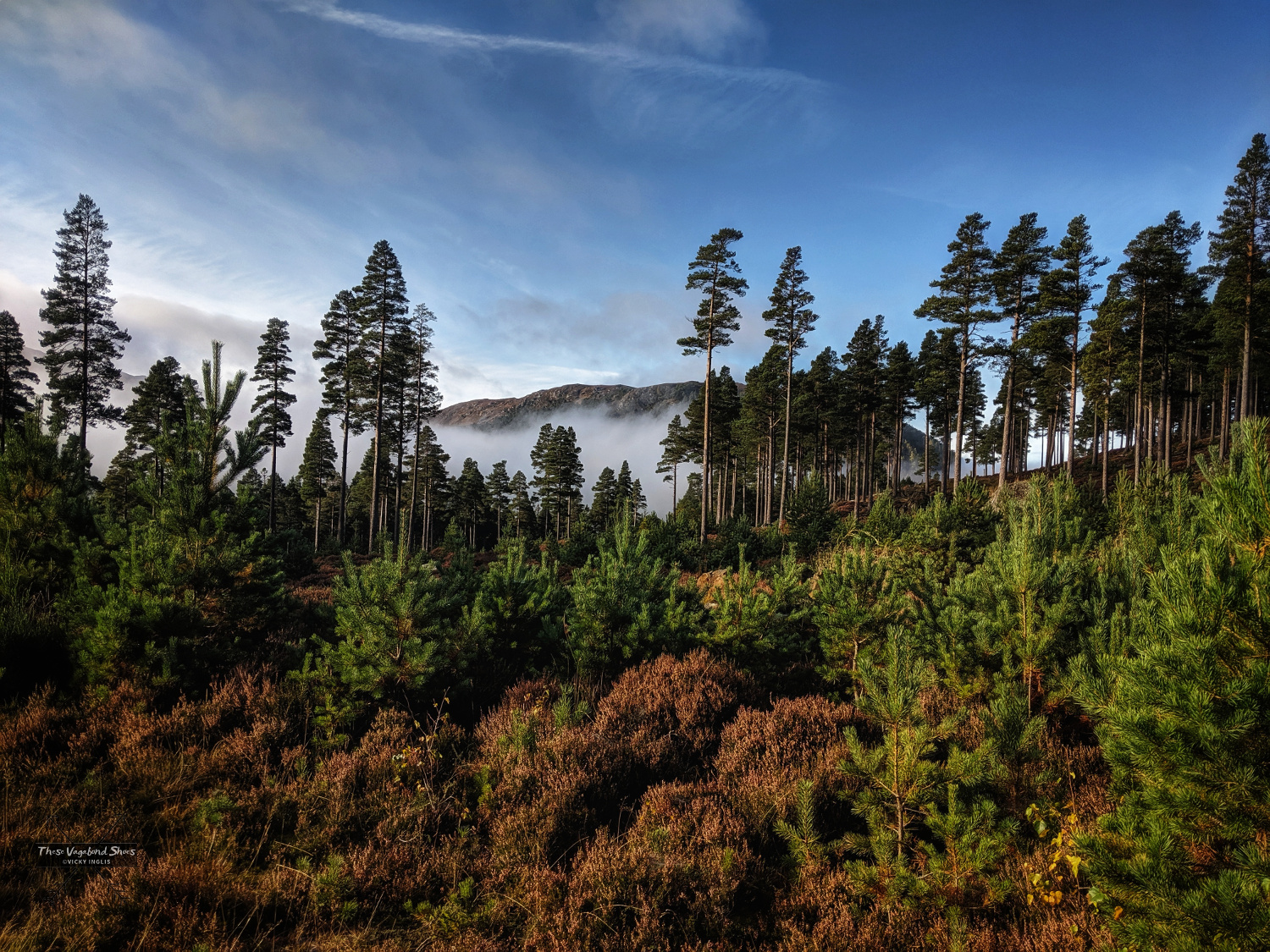
Autumn in the Cairngorms is sensational. Autumn is the season of transition, when days are honeygold and light, and nights are inky-dark, afternoons are sun-warmed, while mornings are crisp with frost. Autumn is when weather plays across the landscape, changing through the months and through the course of any one day.
The honey-scented, purple heather-clad hills of August fade to rust-brown as slowly the trees become the main attraction. Rowans extravagant with red berries. Birch and bracken glowing acid green and yellow against the dark of the pines, and the oak and beech woodlands blaze with a fire of reds, golds, and oranges.
A selection of the best non-fiction books about tragedy and disaster, survival against the odds, and adventures gone awry.
There are a few travel and adventure books I’ve read that make me really envious of the experiences described within. Expeditions I’d have loved to be part of and thrilling adventures I wish I’d had. Satisfying challenges with successful outcomes, taking place in locations I desperately want to explore for myself.
I’ve also read many books telling the story of devastating disasters, adventures gone way wrong, and epic accounts of survival against the odds. Tales that make me very glad that I wasn’t there in that place, at that time, doing that thing. Not in a gawking, voyeuristic way, but to marvel at the strength and adaptability of the people involved, and the enduring hope that many of them can hold on to through their ordeal.
Here are 10 of what I consider to be the best non-fiction adventure books about disaster, survival, and human resilience.
*Warning: there are potentially a couple of spoilers in this list.*
A small collection of interesting, thought-provoking, and beautiful readings from around the internet I’ve found over the past season, that I want to share with you.
A fascinating blog post from Vanessa Spedding which dives deeply into the psychology and philosophy of the turning point in our lives brought by the imposition of a COVID-19 lockdown.
A long read from the Guardian newspaper exploring the impact of COVID-19 on the future of the global tourism industry, the hit to local economies, and ways to reinvent the sector in a more sustainable model.
A piece from the Washington Post in June that summed up the appeal of the late chef and travel writer Anthony Bourdain, particularly his understanding that food was a common language to share stories across cultures and experiences.
Endurance runner Rosie Watson explores opportunities for new ways of working and living in a time of climate crisis and environmental change, following the enforced pause of the COVID-19 pandemic and national lockdowns.
An informative post by Becky Angell about taking the first steps towards gaining the Mountain Leader qualification, particularly the important prep work you can do when you can’t get out to the hills.
Lucy Wallace shares an account of her return to the hills following lockdown, and the full-on sensory joy of being back outdoors in a familiar wild place.
An article marking the 175th Anniversary of the formation of the Scottish Rights of Way and Access Society (ScotWays), and landmark legal challenges that ensured continued protection of ancient drove roads and passes through the Cairngorms.
A response to a newspaper article forecasting the death of the Gaelic language in Scotland by Charles (Teàrlach) Wilson, posing questions about deeper impacts of tourism on rural and island communities, and how people are central to rewilding a landscape.
After returning to the UK from Antarctica, I spent most of the previous season in COVID lockdown at my parent’s place on the coast of Aberdeenshire. I haven’t travelled much further afield this season either, just relocating to the other side of the county to start working for the Cairngorms National Park Authority as a Seasonal Ranger.
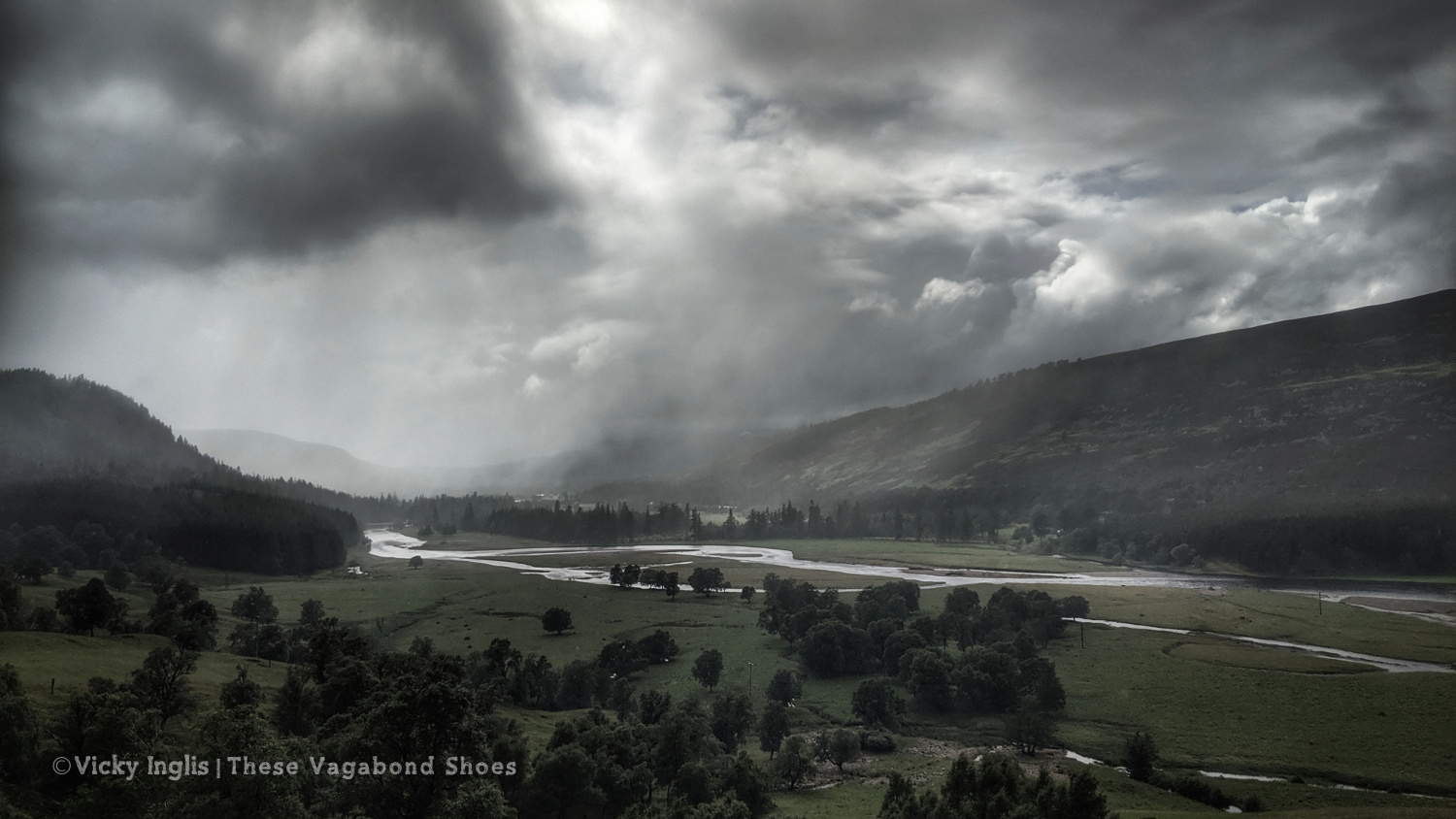
Looking up Strathdee on a moody afternoon, towards my home for the summer at Mar Lodge, near Braemar, Aberdeenshire.
It’s been really exciting to get out and explore Royal Deeside, visiting sites that I’ve known since as a child, and discovering new places I’d never been to before. I’d been really worried about finding work this summer, with the sectors I usually work in completely closed down and existing staff finding themselves furloughed or even facing redundancy. So I feel extremely grateful to have this opportunity, especially when I thought working in the berry fields might have been the only option for the summer.
Views of Lochnagar and the White Mounth Munros from the Forest of Ballochbuie. The view of there from here.
Views across the glen to Ballochbuie from the hills between The Stuic and the side of Lochnagar. The view of here from over there.
As someone who loves hiking and camping, and has been doing it since I was a child, of course I’ve had a poop in the great outdoors. But set all squeamish sniggering at this statement aside, this is an essential declaration. We can’t ignore it or pretend that it doesn’t happen when we’re outdoors for extended periods.
As a ranger in the Cairngorms National Park through the summer of 2020, I’ve unfortunately seen the impact of irresponsible hikers and wild campers at some of the most beautiful places in the country. Quite frankly, it’s disgusting, it spoils the outdoor experience of everyone else visiting the area, and I’m fed up of having to clean up toilet paper and baby wipes. I just don’t want to see it anymore*.
*And for chat with my ranger colleagues to revolve around more than the biggest jobbies we’ve seen this week.
Dealing with human waste in a hygienic, environmentally sensitive way is a vital outdoor skill, and not just for expert or elite-level outdoors folk. Anyone spending a long time out hiking, or camping overnight will have to face up to the inevitable. And as most of us are accustomed to flushing toilets, it’s a skill that needs to be learned like any other.
Talking about how to pee and poop properly in the outdoors raises awareness of the issue of environmental contamination from human waste, and hopefully will spread understanding of the most responsible way to manage our bodily functions while hiking or wild camping.
Also, I hope it will also go some way to resolving any fears or discomfort some may feel about going to the toilet away from the usual facilities, fears that may stop them from trying longer trips. I’ve shared a few of my toilet tips about how and where to go when hiking or wild camping to ease your worries and help you prepare for your next outdoor experience.
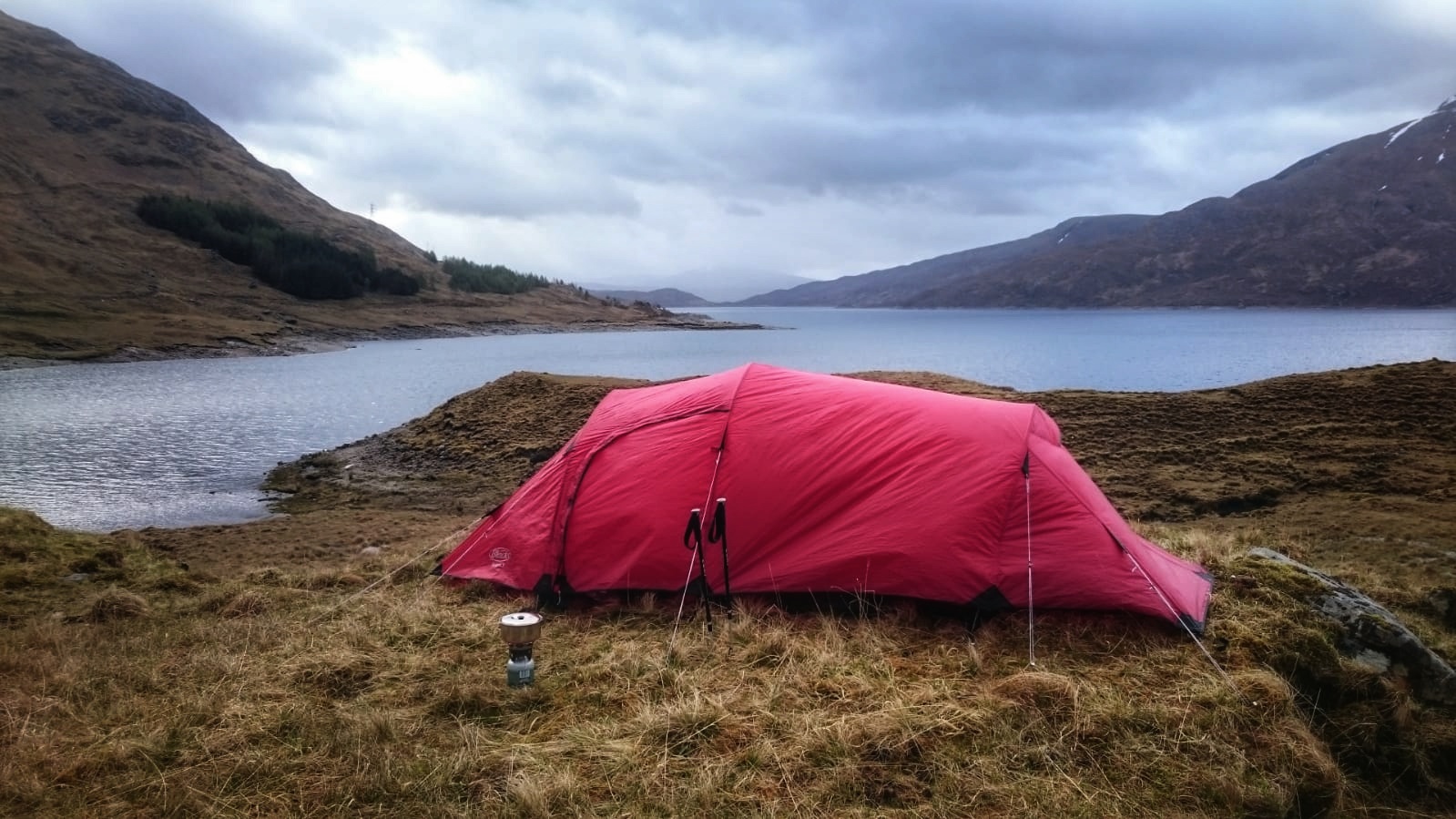
It might look like a beautiful camping spot for the night, but think about where you might be able to go to the toilet safely and hygenically.
So here’s my guide on how to go to the toilet outdoors, to help you plan for your next hiking or camping trip. Feel free to ask me any questions in the comments below. I’m here to help.
Last year I wrote a post about the steps I’m taking to reduce the plastic footprint I produce on my travels, and at home. It gave suggestions of small, easy-to-take steps to reduce the single-use plastic items I consumed, those everyday things we all encounter; shopping bags and plastic bottles, takeaway drinks cups and eating tools. I hoped that it would spark others to start thinking about their own impact.
Single-use plastics, and issues associated with disposal and a lack of recycling facilities in many regions of the world, were highlighted in the BBC documentary series Blue Planet II. But as things move on, the immediacy of the need for action is starting to fade from our minds. More than 300 million tonnes of plastic are manufactured every year, generating far more waste than the planet can handle. It’s virtually indestructible, and invariably some end up in rivers, lakes and the ocean.
It causes distress to marine life in many ways: a risk of entanglement; ingestion, filling stomachs without giving nutrition; and tiny fragments accumulate toxins which are pervasive through the food chain. Marine ecosystems face massive threats.
There is no away. Because plastic is so permanent and so indestructible. When you cast it into the ocean, it does not go away.
Sir David Attenborough
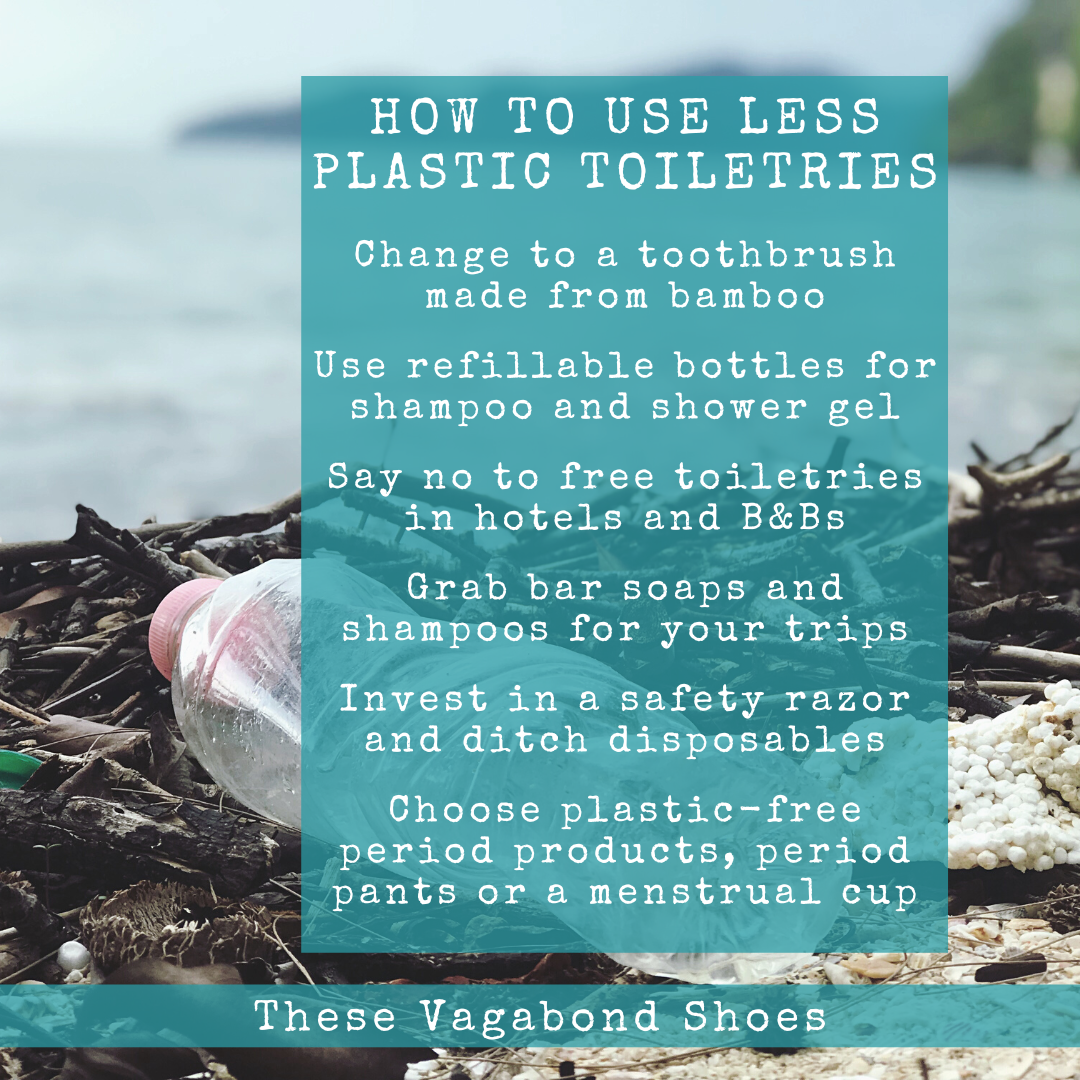
This time, I’ve been thinking about the toiletries I use and take with me on my travels, and how I can ensure the choices I make have the minimum impact on the environment.
While my toothbrush certainly isn’t a single-use item, we still dispose of millions of used plastic brushes every year. Sustainable, compostable alternatives do exist, with handles made from bamboo, the fastest growing plant in the world, and are becoming increasingly available in supermarkets or high-street drugstores here in the UK.
If you’ve got gappy teeth like me, or wear a orthodontic brace, you’ll probably also use tiny interdental brushes as part of your routine, and these are also available with bamboo sticks.
Refillable bottles
My travel style means I rarely stay in the type of hotel that provides those tiny wee bottles of shampoo and shower gel, but I’ll admit I am usually tempted to take them. I’m not a complete eco-saint, and who wouldn’t want to smell like pink peppercorns and grapefruit when the opportunity presents? But the best plastic reduction strategy is to forgo these, and take your own toiletries.
More usually, I’ll take my own refillable travel-size bottles, topped up from bigger bottles at home (which I usually take to my local refill shop to top up from even bigger bottles). It’s still plastic, but plastic that’s used again and again. These refillable pouches from Matador roll-up when empty, saving space in your soap bag.
If I’m travelling with a group, like on the sailing voyages I’ve been part of, we’ll often share a full-size bottles of shampoo, conditioner, shower gel and the rest between us. As well as cutting down on plastics, it saves a bit of money too.
Solid soaps and shampoos
I’ve been experimenting with various solid shampoos and conditioners, and I love a gorgeously-scented bar of soap. It means I don’t have to worry about liquids leaking into my bag. I pack the bars in a Matador dry bag, which allows the bar to dry out and stop getting mushy without allowing moisture to seep out by some kind of witchcraft.
Cotton buds
We all saw that shocking photograph of a seahorse published by National Geographic. Also known as Q-Tips, I see the plastic stalks turn up regularly in beach cleans. They get there after being flushed down the loo and passing into the drainage system, where they block filters and cause an overflow of wastewater, getting accidentally discharged into the sea.
But the good news is that most major brands have now ditched the plastic and returned to paper sticks. Be sure to double-check the composition when you buy, and bin the buds rather than flushing them.
Safety razor
Razors with multiple blades get clogged up with soap and hair, making the blade lose its edge more quickly, thus needing to be replaced more frequently. If you clean and dry the razor after use, it stays sharp and usable for longer, but plastic disposable razors and cartridge razor heads still generate a lot of waste that cannot be recycled. Around 2 billion of these end up in landfill every year.
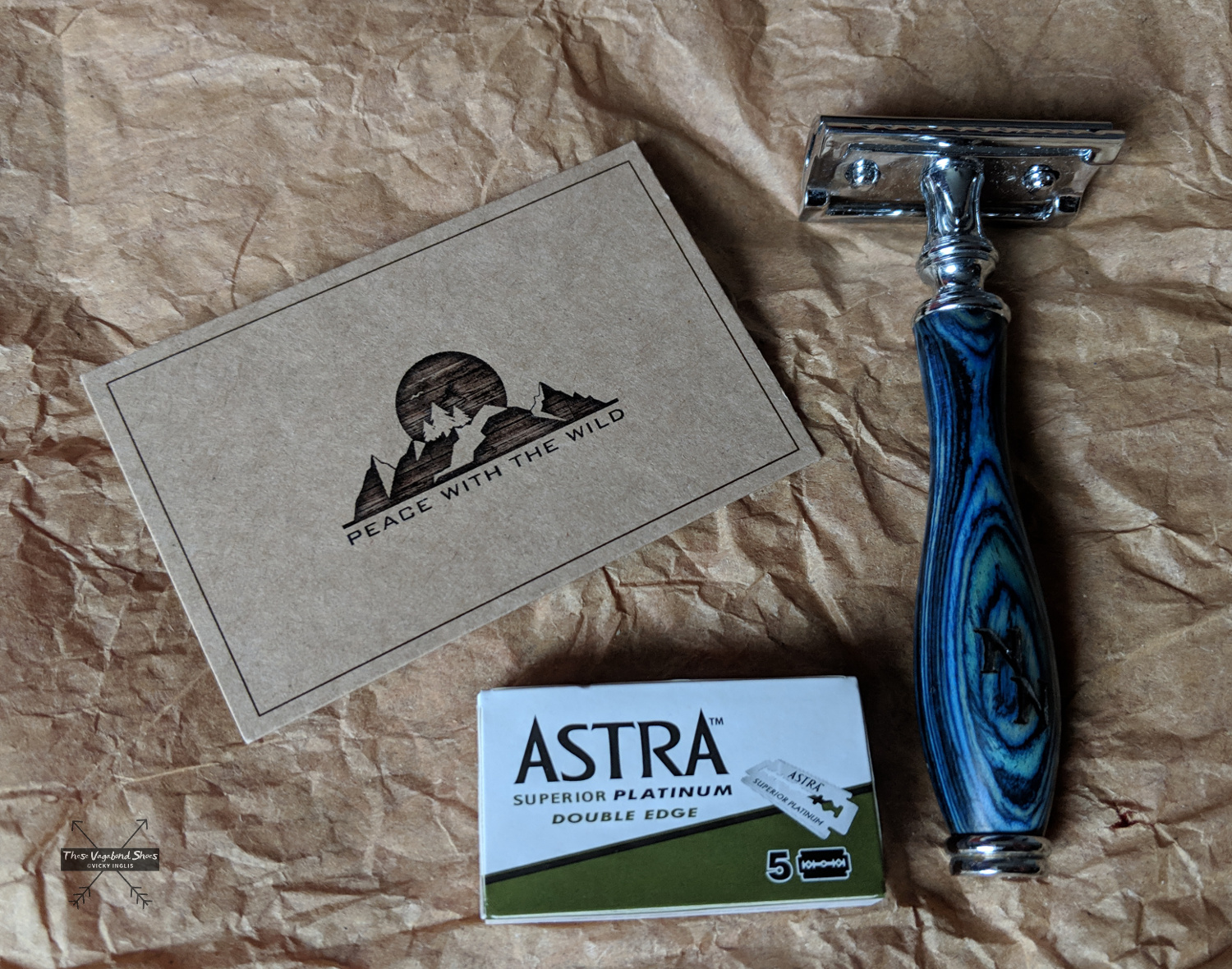
A traditional safety razor produces a fraction of the waste of a disposable and can be recycled.
I have a traditional style safety razor from Naked Necessities, with a double-edged blade, made of metal with a wooden handle. The only part which needs disposing of regularly is the thin stainless steel blade, which is easily recycled. And though it was initially expensive to make the switch from a razor with changeable heads, it’s something that’s saved me quite a bit of money in the long term.
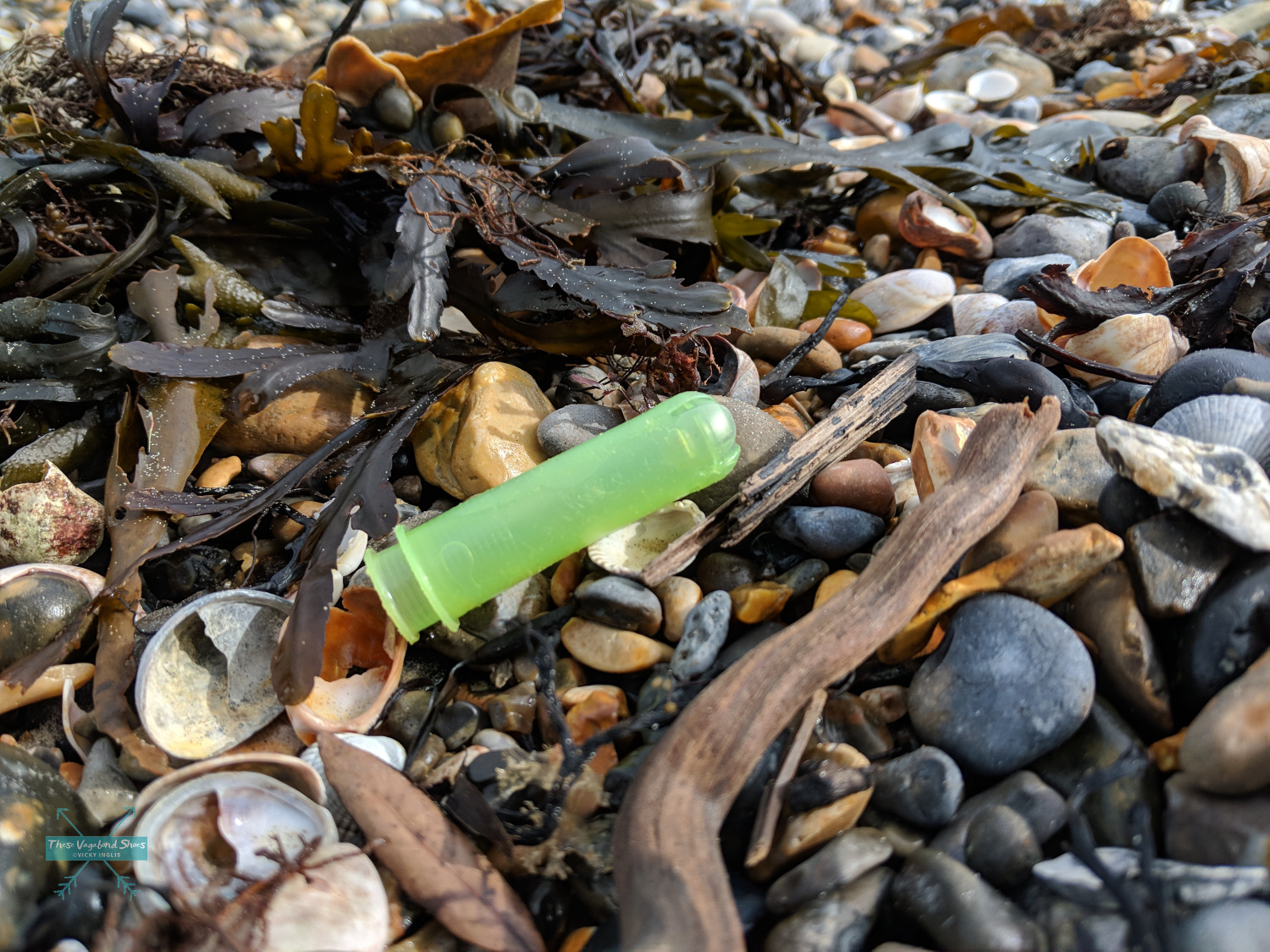
Plastic tampon applicators are found on beaches so frequently that surfers coined the name beach whistles for these pervasive plastic presences. I find them washed up on the beach often, and I’m not alone as the Marine Conservation Society estimates up to six items of sanitary waste are found for every hundred metres of shoreline in the UK.
Plastic tampon applicators turn up on our beaches after being flushed.
For a start, tampons, applicators, sanitary towels, and wet wipes are things that should NEVER be flushed. Wrap them, and dispose of them in a bin after use. Look for plastic-free period products, like TOTM or DAME, which use paper applicators and packaging, or reusable applicators. Some brands offer a subscription service so you can stock up on exactly what you need before a trip, especially if you’re going somewhere your usual products might not be available.
Menstrual cups and period pants go one step further. These are reusable silicone cups and washable absorbent pants designed to be used over and over, immediately cutting out the amount of landfill waste created. Though I still use applicator tampons at times (often I find myself in places where it’s difficult to wash the cup for reuse) I’m a fan of both solutions. They’re compact and easily packed for travel, and are also cost-effective alternatives in the long term.
With every drop of water you drink, every breath you take, you are connected to the sea. No matter where you live.
Dr. Sylvia Earle
Not all of these products are as easy to come by as their cheap, convenient, plastic alternatives, and some might take a bit of forward planning to incorporate into your travel schedule. But with the future health of the oceans at stake, upon which we all depend, it’s high time to make these changes.
Read more on the extent of the problem at Plastic Oceans, and get involved with various initiatives trying to raise awareness and tackle the issues, like Surfers Against Sewage, 2 Minute Beach Clean, and End Period Plastic. Small things done by many people will eventually have a significant cumulative impact.
What do you do to reduce your plastic footprint? Share your advice in the comments below.
Inspired by what you’ve read? Why not pin this post?
This post contains affiliate links. If you purchase through my link, I will make a small commission* at no additional cost to you. These help me to continue to run this site, providing tips and advice, and sharing stories from my adventures. Thank you for supporting me.
*Maybe enough for a coffee. Not enough for a yacht.
If you’re serious about spending any length of time outdoors, then it’s essential to be prepared for wet weather. Even in the height of the summer season showers and persistent rain can be forecast (there’s a reason our countryside is so green and lush in the UK), and quickly turn a fine day out in the hills into a miserable slog if you haven’t packed your waterproofs.
While a waterproof jacket is probably the most important piece of your kit, you’ll be thankful for a good pair of waterproof trousers to give additional protection from the elements and keep you comfortable for longer.
So what do I want from a pair of waterproof trousers? Obviously, they need to keep the wind and rain out, but in most cases, they’d stay tucked up in my pack in hopes of fine weather, so need to be lightweight and packable. Once the heavens open, they need to be simple and quick to pull on, so long zips are important, and other features I’d look for in my waterproof trousers would be POCKETS! and vents or two-way zips.
How I tested the Rab Firewall Pants
I think I gave Rab’s Firewall Pants extremely thorough testing, well beyond the usual realms of outdoor equipment testing. I rocked a pair of these waterproof trousers during the 19/20 season at Port Lockroy, Antarctica, and thoroughly put them through their paces, wearing them daily for around 12 hours at a time over the four months of our season.
In general, the conditions I experienced were relatively mild, given our extreme location; temperatures ranged between -7°C and + 15°C, though winds reached in excess of 40 knots on occasion, and we experienced days of persistent heavy rain and occasional blizzard conditions.





 These Vagabond Shoes.