
How to spend the day in Stanley, Falkland Islands | A Vagabond Guide

Spending time in Stanley as you explore the Falkland Islands? My vagabond guide covers all the basics and gives you some ideas for the best things to do in and around the town.

The colourful little city of Stanley is the capital of the Falkland Islands, located on a large natural harbour on the eastern side of East Falkland island, and the only settlement of any real size in the archipelago. Formally awarded city status in 2022, as part of the late Queen Elizabeth’s Platinum Jubilee honours, this far outpost of the UK is fiercely proud of its British heritage, but has a unique character all of its own to discover.

In this guide you’ll find tips for the best things to do in and around Stanley, with options for different seasons and weather conditions, plus my recommendations for places to eat and drink, where to stay, and travel information. And take a look at my guide to visiting the Falkland Islands here.

Continue reading “How to spend the day in Stanley, Falkland Islands | A Vagabond Guide”
An Architecture Tour of Ã…lesund, Norway

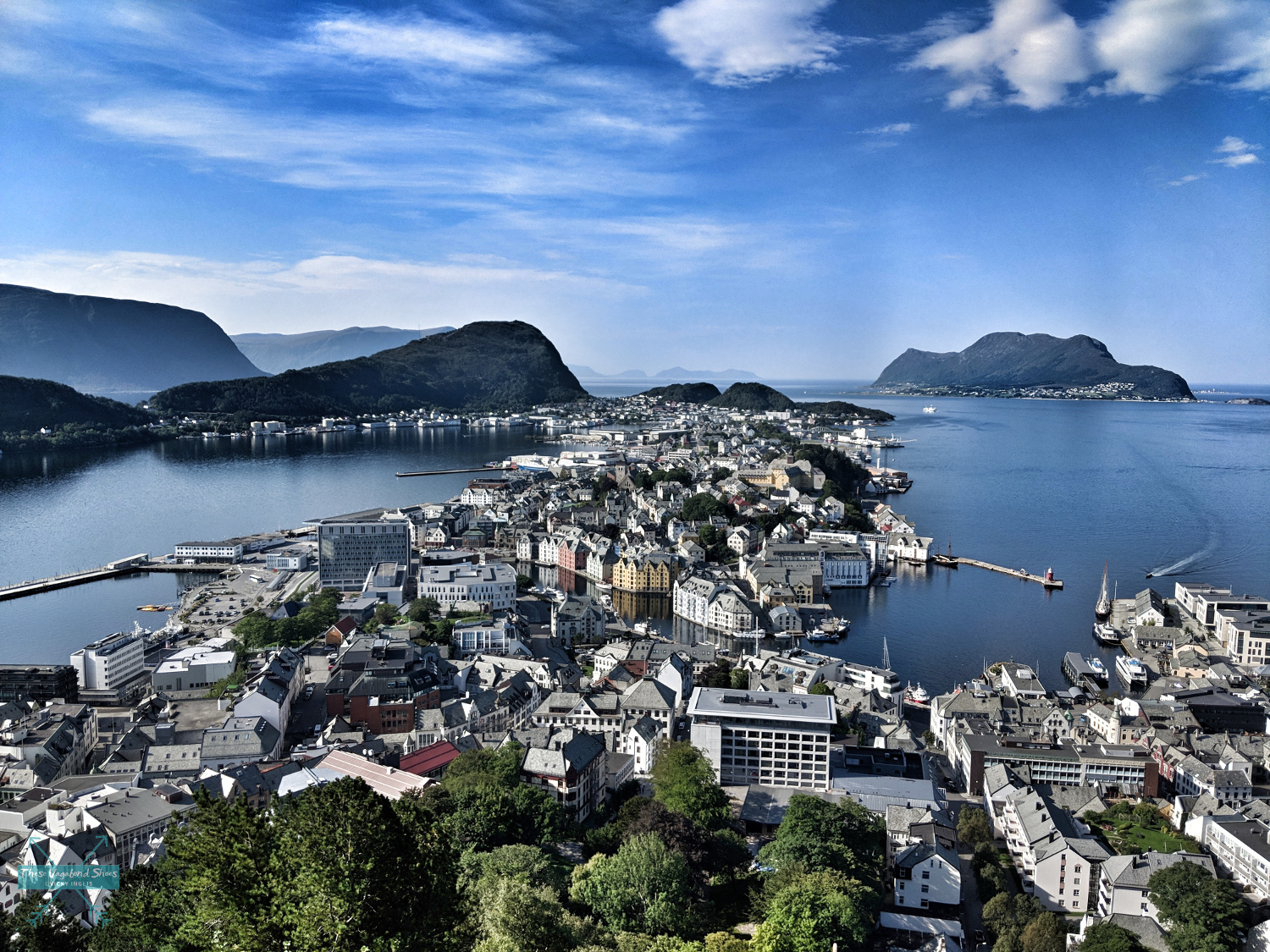
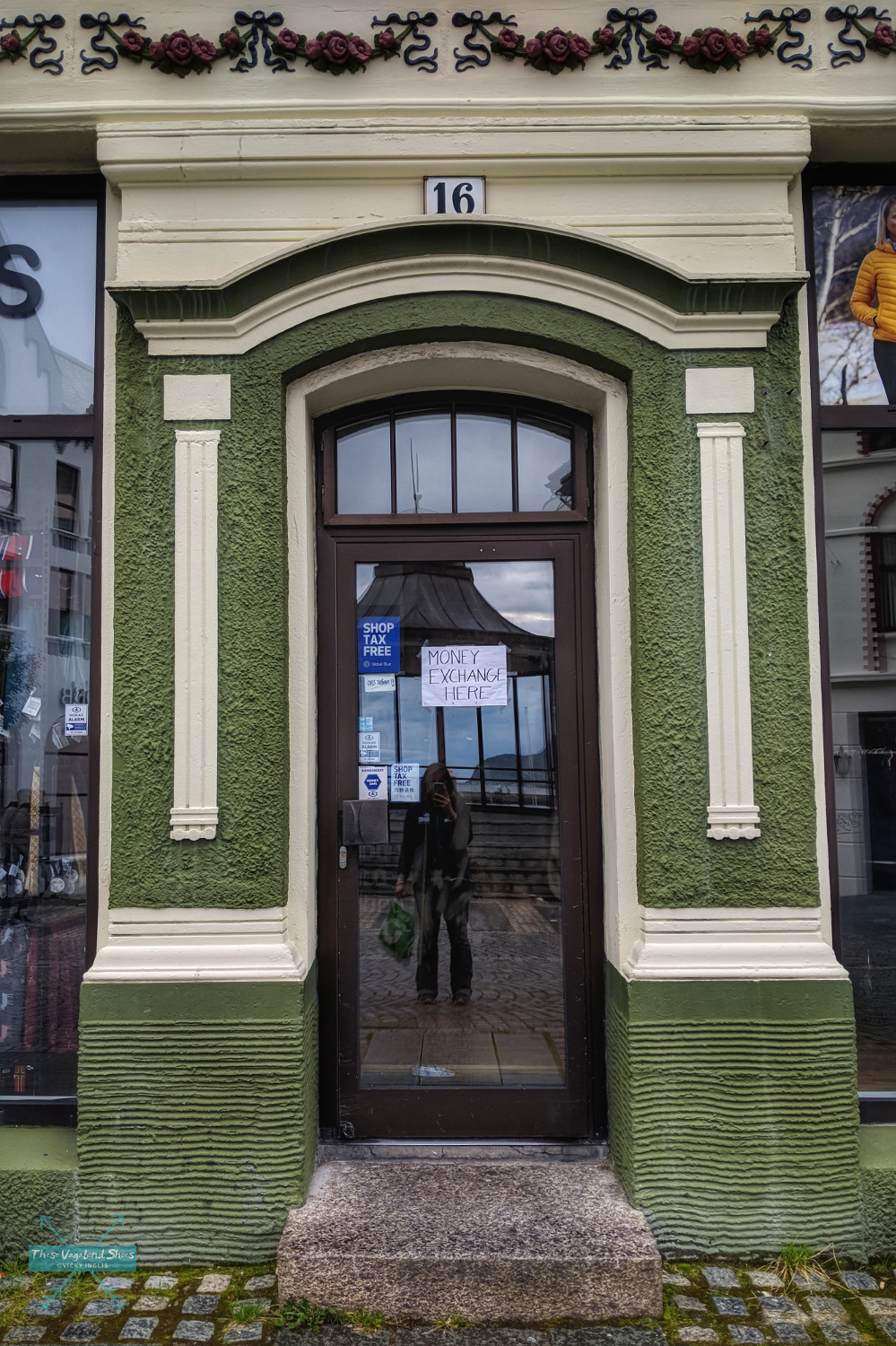
The port town of Ã…lesund is often considered to be the most beautiful in Norway, largely down to the distinctive Art Nouveau style of architecture of the buildings, set on a canvas of several small islands, against a backdrop of snow-capped mountains dropping sheer to the fjords below.

The famous view of Ã…lesund from the Aksla Fjellstua viewpoint. (Blue Clipper is tied up alongside in the mouth of the harbour, on the right hand side of the picture).

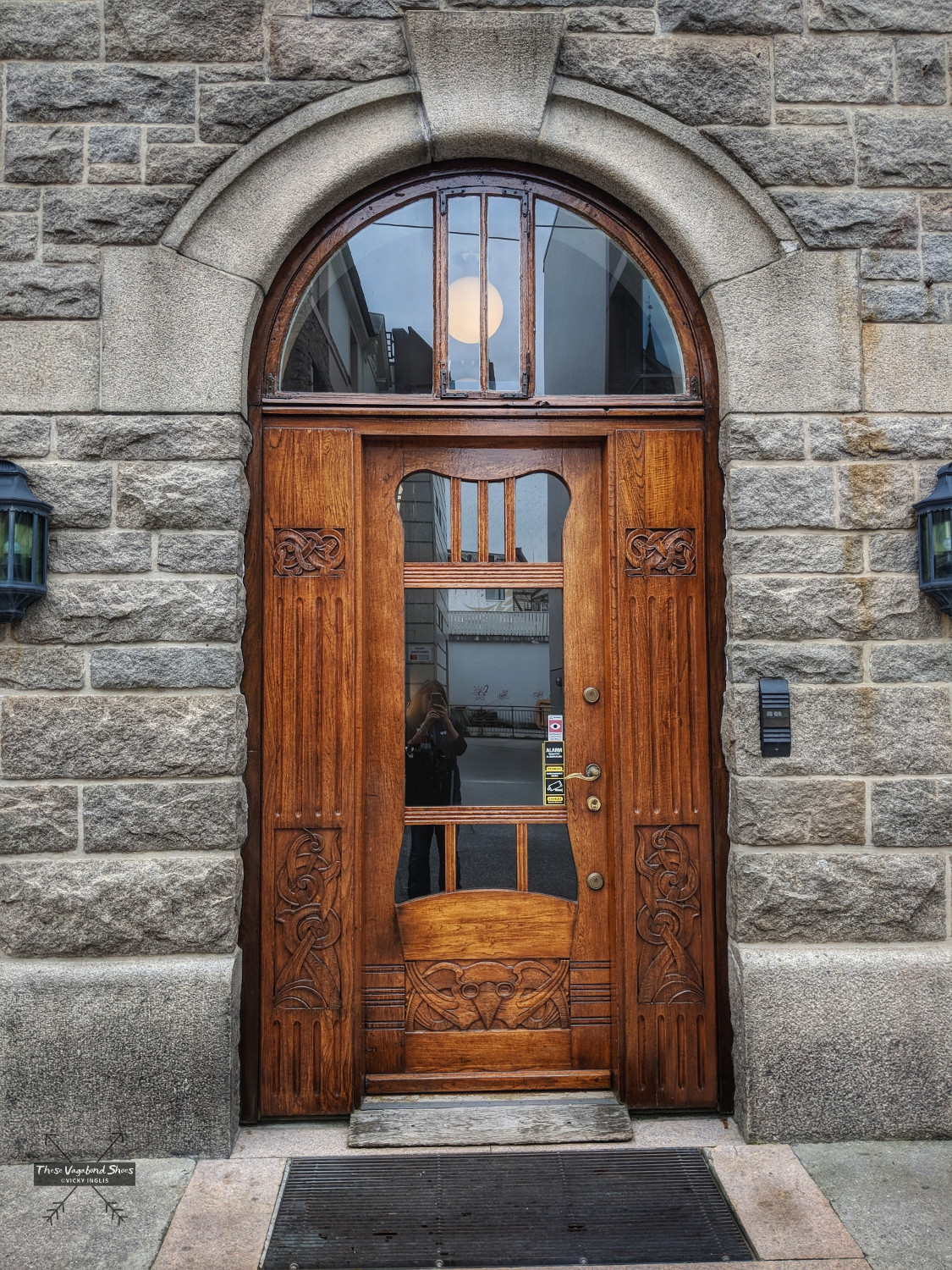
Wandering through the streets of the centre is an ideal way to explore the Art Nouveau influences throughout the town. Now I must admit, I have never studied architecture or design, or anything creative beyond high school art, so this is a guide produced by an appreciative amateur, not an in-depth lesson in architecture.

What is Art Nouveau?

Saying that, let’s start off with a little introduction into the style known internationally as Art Nouveau. It defined the look around the turn of the 20th century; Europe of La Belle Époque, the gilded age that led into the darkness of WWI. Crossing architecture, art, graphic design, furniture making, and crafting, the style was heavily inspired by dynamic forms found in nature, making use of asymmetry, whiplash lines, and ornamental motifs like flowers, trees, and insects.

In Scandinavia, Germany, and the Baltic nations, Art Nouveau was known as Jugenstil (Youth Style), in Spain as Modernisme, especially Modernisme català in Catalonia, and in the UK as Glasgow Style. You’ll recognise the Art Nouveau style immediately in the entrances to the stations of the Paris Métropolitain, on the façades of Sagrada Família and the other works of Antoni Gaudí in Barcelona, in the Willow Tearooms of Charles Rennie Mackintosh in Glasgow, in the stained glass work of Louis Comfort Tiffany and Margaret Macdonald Mackintosh, and in the jewellery of René Lalique.

Continue reading “An Architecture Tour of Ã…lesund, Norway”